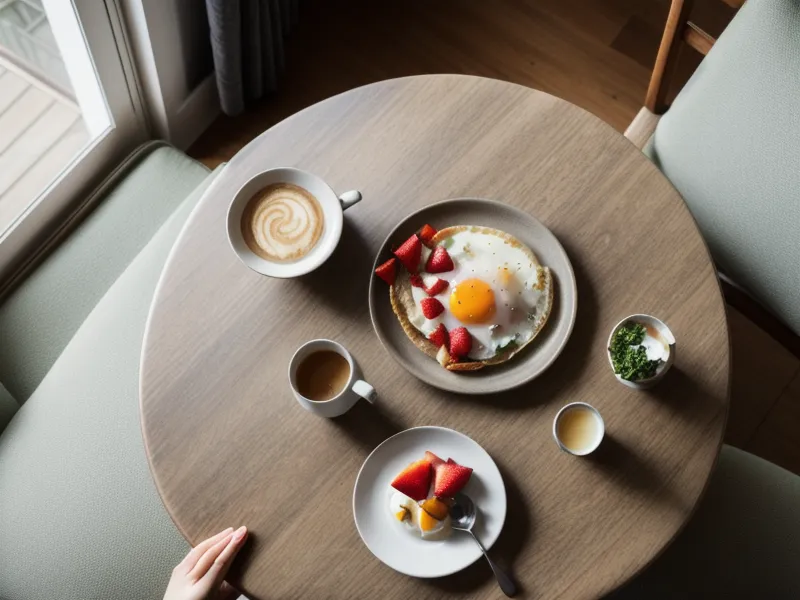
We're still standing in the parking lot behind a restaurant in Tremont, twenty minutes after the check's been paid, and neither one of us has moved toward our car — which is not something I can say about most dates I've had since my divorce finalized in mid-2024. That unhurried twenty minutes is the whole argument for this piece: some platforms produce that kind of night, and some just produce more matches.
Quick disclosure before the comparison starts: some of the links below are affiliate links, and if you sign up for a paid plan through one of them, I earn a commission at no extra cost to you. Everything else here comes from actually using these platforms as a 38-year-old event planner outside Cleveland, not from a press kit. Re-entering the pool after a divorce is its own category of dating — different from just being single and bored for a while — and I've spent the better part of a year testing serious-relationship platforms from that specific starting point, mostly in the gaps between Shaker Heights rehearsal dinners, writing up what actually surfaced a decent match versus what just refilled my inbox.
Hinge and Bumble Are Built for Volume, Not Fit
Start with the apps everyone starts with. Hinge and Bumble are built to move you through profiles quickly, and for a few weeks that felt like relief after a marriage that had gone quiet. The quality of someone's prompt answers on Hinge tells you more about whether they'll actually follow through than their photo carousel ever will, but you have to be reading for it, and most people swiping at ten at night are not. Bumble does one thing differently that matters: women message first, and its twenty-four-hour message window pushes a conversation toward an actual plan instead of letting it die politely in the inbox. I compared the two at length in my Hinge vs. Bumble in My Late Thirties review, but the short version is that both apps are better at producing matches than they are at producing dates worth getting dressed for.
Some women I know took a real swipe-fatigue break before trying anything else — deleted every app for a month just to reset their tolerance — and came back calmer than I managed at the same stage. I didn't have that luxury once I started; a full year of not looking at a screen already felt like the break, so I went from zero to three apps in the same week, which is the dating equivalent of comparing three vendors' proposals side by side without ever touching the venue. It tells you plenty about pricing and nothing about how the room actually feels once people are standing in it.
The Gap Between What My Married Friends Remember and How Dating Actually Works
My married friends still talk about Match.com like it's 1995, like the fact that it's been around that long is itself a selling point. My friend Dominique, who's been happily remarried since 2023, genuinely cannot picture what dating on these apps looks like now, and I don't hold that against her — she's just too far removed to remember it correctly. What she isn't seeing is that the free apps run on an algorithm built to maximize engagement, not compatibility, so the version of online dating she pictures and the one I'm actually doing are two different products wearing the same interface.
What reads as compatible on paper and what actually signals compatibility once two people are sitting across a table are not the same thing, and no algorithm sorts for the second one. I see this constantly at rehearsal dinners: couples who look mismatched on paper who clearly work, and couples who checked every box on an intake form who can barely make eye contact by the toast. An app can only optimize for what you tell it to look for. That's exactly why the higher-friction platforms started to interest me more than the free ones.
Why Friction Works in eharmony's Favor After a Divorce
eharmony asks for more up front than any swipe app does — a compatibility questionnaire that took most of a Sunday afternoon to finish honestly, walking through thirty-two dimensions of how I actually communicate instead of my astrological sign or my favorite hobby. That length is the point. Paying for a plan and sitting through a real questionnaire is its own effort filter: it screens out anyone who isn't willing to spend real time before they've even seen a photo, the same way a client willing to fill out a full planning questionnaire before our first call turns out to be a different kind of client than one who just wants a number over email.
The parking lot conversation I mentioned earlier came out of a match on eharmony, and I don't think that's a coincidence. Getting a match to actually agree on a place and a time is its own separate skill from writing a clever opening message, and how a woman presents herself in her own photos changes which kind of message shows up in her inbox in the first place — eharmony leans less on a photo carousel to make that impression than Match does. I wrote more about what that intentionality felt like in my post on Finding Intentionality on Serious Dating Sites. Knowing what to actually ask once you're both sitting there still matters more than which app produced the match, but eharmony gets you to that table more reliably than a free app does.
eharmony or Match: Whose Report Actually Matches Mine?
Not every platform earned that kind of trust. OkCupid is the clearest counterexample: I filled out its profile exhaustively, every optional question, answered honestly, expecting the depth to pay off, and mostly matched with men whose own profiles hadn't been touched in two years. A long profile only works as a filter if the person on the other end put in comparable effort, and OkCupid's free tier makes it too easy to leave a stale one sitting there collecting matches it never answers. I covered more of that stretch in my Late-Thirty Dating Reset notes.
A reader named Rory Callander reached out after my Hinge coverage, comparing the prompt-answer format to a portfolio review at their architecture firm, and we kept talking across a few posts after that. Rory eventually tried eharmony against Match side by side and reported back months later: Match's larger pool in our age bracket produced more messages, but a smaller share of them went anywhere past the second exchange, while eharmony produced fewer matches that turned into real dates at a noticeably higher rate. That tracks with what I've seen. Match spends its size advantage on volume; eharmony spends its smaller pool on filtering. Where a platform puts its paywall says a lot about what it's actually selling — Match sells access to more people, eharmony sells access to people who already paid to be taken seriously.
Choosing Between the Two, Once the Noise Clears
So which one do you actually pick? If you want the largest possible pool in the over-35 dating market and don't mind doing the sorting yourself, Match remains the reasonable choice — it has the numbers on its side, even if the interface feels a decade behind. But if what you're actually tired of is sorting through profiles abandoned two years ago or matches that vanish after one message, the paid effort built into eharmony is worth the pricier plan and the long afternoon of questions. Neither one replaces knowing what to actually ask once you're sitting across from someone, but one of them gets you to that table more often than the other.
If you're recently divorced and ready to see who's actually out there without the noise of the swipe apps, check out eharmony's compatibility quiz here and see how those thirty-two dimensions map onto your own life. It won't guarantee a parking lot conversation on the first try, but it's the platform most likely to get you another one.